
Masters of Maintenance LLC · Practical guide
A good service request does not need to be long. It needs to give the person handling it enough context to understand the problem, locate the work and coordinate access. A few specific details are usually more useful than a broad description such as “the unit is broken.”
Start with the place and the problem
Include the full service address and the exact area within the property. A store number, suite, room or equipment location helps distinguish one issue from another. Explain what is happening in ordinary language: what you noticed, when it began and whether it is constant or intermittent.
Describe the impact, too. An issue affecting an unused fixture is different from a problem interrupting an operating area. Avoid diagnosing the cause if you are unsure; observations are useful on their own.
Add photos that give context
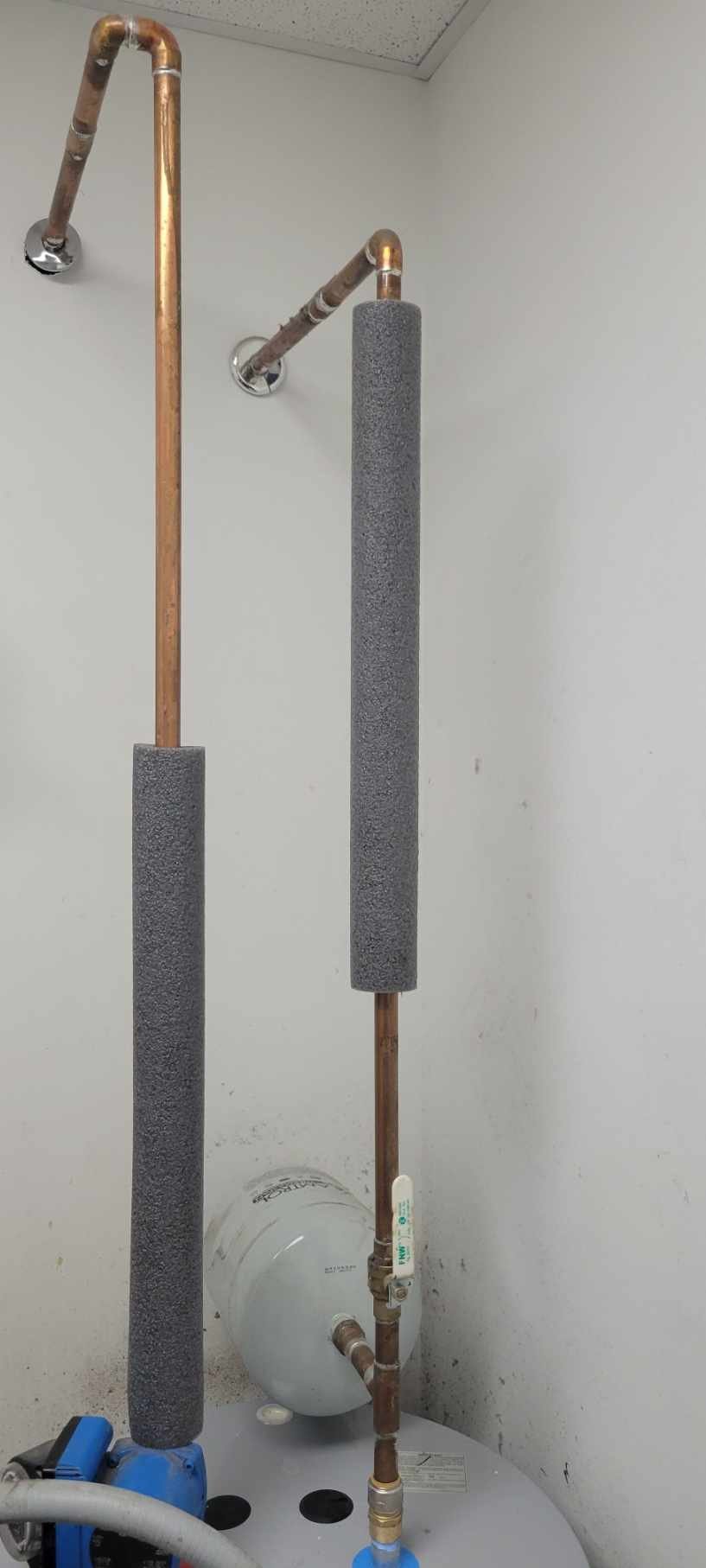
If it is safe to do so, provide a wider photo showing where the problem is and a closer photo of the visible detail. Equipment labels or model information can help when they can be read without opening panels, moving equipment or entering a restricted area.
Do not take risks to gather a photo. Never touch damaged wiring, open equipment or enter an unsafe area just to improve a request.
Explain access and approvals
Share the on-site contact, opening hours and any access restrictions. If the work must happen around customers, deliveries or occupants, say so early. For a facilities work order, include the reference number, approved scope and the person who can authorize changes.
Instructions such as check-in procedures, photo requirements and completion signoff are most useful before the visit. They help everyone understand what information is needed at the end.
A short checklist before you send
- Full address and exact location of the issue
- What you observed and how it affects the property
- Relevant photographs, if safely available
- Access contact and site restrictions
- Work-order reference and approval requirements, if applicable
For emergency service, call (302) 551-2565 to discuss the situation directly. A website form should not be the only way an urgent problem is communicated.