
Masters of Maintenance LLC · Practical guide
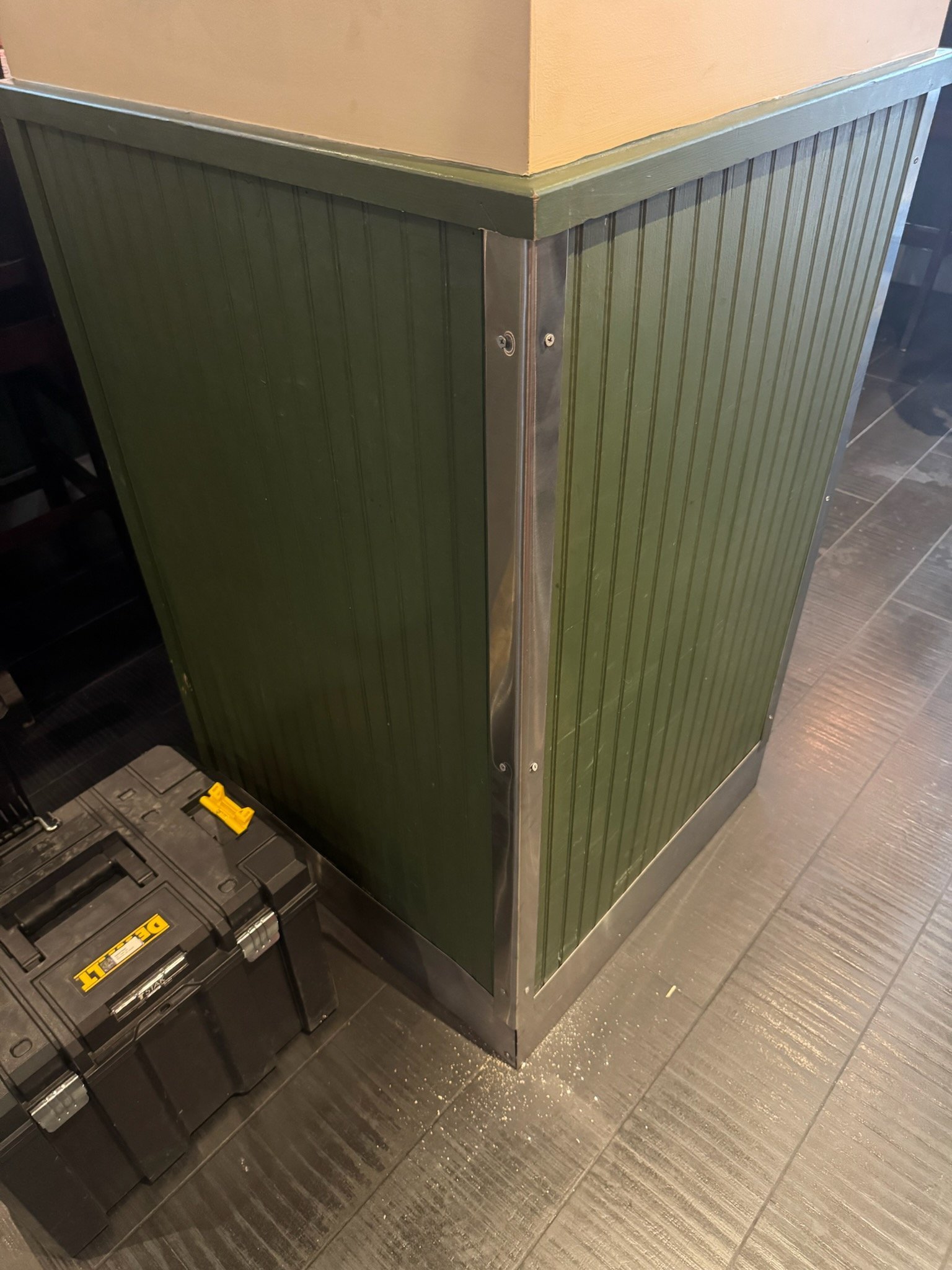
Completion photographs are most useful when someone who was not at the property can understand what they show. A close-up may capture a new part clearly, but it can still leave the reviewer wondering where it was installed or how it relates to the original request.
Show the area, then the detail
A wider view gives context. A closer view shows the specific repair, finish or equipment detail. Together they are often easier to interpret than a collection of tightly cropped images.
For a visible building repair, a before photo can establish the condition that prompted the work. An after photo can show the result. When practical, similar viewpoints make comparison easier, although the images do not need to be perfectly aligned to be useful.
Keep the photograph connected to the work
Match images with the relevant work-order reference in the service record. A short description of what the photo shows can prevent confusion, especially when several tasks were carried out at the same property.
A photograph alone cannot prove every aspect of a repair. An equipment status display, for example, records what the display showed at that moment. It should be read alongside the work description and any relevant assessment or testing information, not as a universal guarantee.
Separate completed work from remaining items
If an additional issue was identified, describe it clearly rather than mixing it into the completion summary. The person reviewing the work should be able to distinguish what was addressed, what requires approval and what may need a later visit.
This is particularly helpful when parts, access or an expanded scope affect the next step. A clear record prevents an open item from disappearing inside a general “job complete” message.
Protect what does not need to be shared
Project photos can capture more than the repair. Check for people, access codes, personal paperwork, security information and unrelated screens before circulating them beyond the people involved in the work.
For facilities management assignments, follow the client’s photo, naming and signoff requirements. For any property, keep the final record focused on the service: where the work happened, what was done and what remains to be discussed.